Tesla Buyback vs Cash Settlement: Evaluating Lemon Law Options for Maximum Compensation
- Jan 12
- 4 min read
When a Tesla vehicle develops persistent defects that impair its use, safety, or value, owners often turn to lemon laws for relief. These laws protect consumers by requiring manufacturers to repair, replace, or refund defective vehicles. Tesla owners facing such issues typically have two main options under lemon law claims: a buyback (repurchase) of the vehicle or a cash settlement. Choosing between these outcomes can significantly affect the compensation received and the overall experience.
This post compares Tesla buyback vs cash settlement options, helping you understand which lemon law outcome offers the best compensation and suits your situation. We will explore how Tesla’s repurchase program works, what lemon law compensation looks like, and the pros and cons of each path.
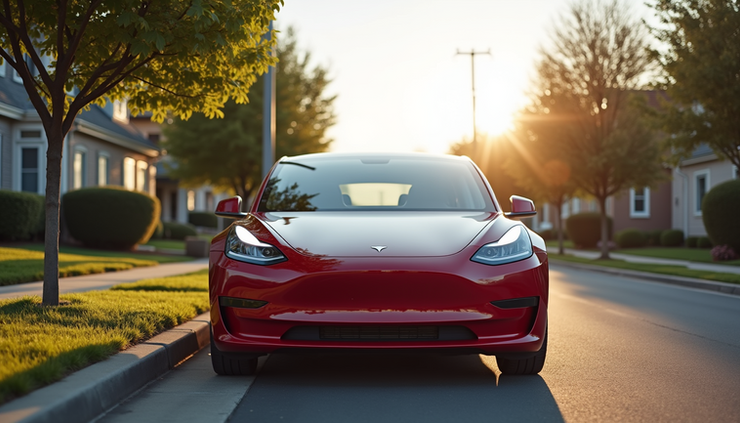
Understanding Tesla’s Lemon Law Protections
Lemon laws vary by state but generally apply when a new vehicle has a substantial defect that the manufacturer cannot fix after a reasonable number of repair attempts. Tesla vehicles, like other cars, qualify for these protections if they meet the criteria.
Tesla’s repurchase program is Tesla’s way of complying with lemon laws. It involves the company buying back the defective vehicle from the owner, usually at the original purchase price minus a usage fee. Alternatively, Tesla may offer a cash settlement to resolve the claim without repurchasing the vehicle.
Knowing how lemon law compensation works for Tesla vehicles is crucial before deciding which option to pursue.
How Tesla Buyback Works
A Tesla buyback means the company repurchases your vehicle under lemon law guidelines. Here’s what typically happens:
Vehicle Inspection: Tesla or an independent party inspects the vehicle to confirm the defect and its impact.
Repurchase Price Calculation: Tesla calculates the buyback price based on the original purchase price minus a mileage-based usage fee.
Return Process: You return the Tesla to the company, and they refund the agreed amount.
Title Transfer: The vehicle title transfers back to Tesla, often branded as a lemon or salvage vehicle.
Advantages of Tesla Buyback
Full Relief from Defective Vehicle: You no longer own a problematic Tesla.
Clear Resolution: The buyback ends the dispute and removes the vehicle from your responsibility.
Fair Market Value: The refund often reflects the purchase price minus reasonable use.
Disadvantages of Tesla Buyback
Loss of Vehicle: You must find a replacement car.
Potential Lower Refund: Usage fees can reduce the refund amount.
Title Branding: Tesla may resell the vehicle with a lemon or salvage title, affecting resale value.
How Cash Settlement Works
A cash settlement means Tesla pays you a negotiated sum to compensate for the defects without taking back the vehicle. This option can be appealing if you want to keep your Tesla despite the issues.
Advantages of Cash Settlement
Keep Your Vehicle: You retain ownership and can continue using the Tesla.
Flexible Compensation: Settlements can include cash for repairs, diminished value, or inconvenience.
Faster Resolution: Negotiations may conclude quicker than buyback processes.
Disadvantages of Cash Settlement
Ongoing Issues: You remain responsible for repairs and maintenance.
Potentially Lower Compensation: Settlements might not cover all losses or future repair costs.
Negotiation Challenges: Reaching a fair settlement requires strong evidence and negotiation skills.
Comparing Tesla Buyback vs Settlement: What Consumers Care About
When deciding between Tesla buyback vs cash settlement, consumers focus on several key factors:
1. Total Compensation Value
Buybacks often provide a refund close to the original purchase price minus usage. Cash settlements vary widely and depend on negotiation but may be lower than buyback refunds.
2. Convenience and Time
Cash settlements can resolve claims faster, avoiding the hassle of returning the vehicle and finding a replacement. Buybacks may take longer due to inspections and paperwork.
3. Future Vehicle Use
If you want to keep driving your Tesla, a cash settlement is preferable. Buybacks require you to give up the vehicle.
4. Repair and Maintenance Costs
Buybacks relieve you from future repair expenses. Settlements leave you responsible for ongoing costs, which can add up if defects persist.
5. Impact on Vehicle Value
Buybacks remove the lemon vehicle from your possession. If you keep the Tesla after a settlement, its resale value may be affected by the known defects.
Real-World Examples of Lemon Law Outcomes with Tesla
Example 1: A Tesla Model S owner experienced repeated battery failures. After multiple repair attempts, Tesla agreed to a buyback. The owner received a refund close to the purchase price minus mileage fees and purchased a different vehicle.
Example 2: A Model 3 owner faced persistent touchscreen malfunctions. Tesla offered a cash settlement covering repair costs and partial compensation for inconvenience. The owner kept the car and used the settlement funds for repairs.
These examples show how the choice depends on defect severity, personal preferences, and negotiation outcomes.
Tips for Tesla Owners Considering Lemon Law Claims
Document Everything: Keep detailed records of repairs, communications, and expenses.
Understand Your State’s Lemon Law: Each state has specific rules and timelines.
Consult a Lemon Law Attorney: Legal advice can improve your chances of fair compensation.
Evaluate Your Priorities: Decide if you want to keep the Tesla or prefer a buyback.
Negotiate Carefully: Whether pursuing buyback or settlement, strong evidence supports better outcomes.
Choosing between Tesla buyback vs cash settlement is a critical decision for owners facing lemon law claims. Both options have benefits and drawbacks depending on your situation. Understanding Tesla’s repurchase program and lemon law compensation helps you make an informed choice that maximizes your compensation and satisfaction.


Comments